Weightlifting Yearbook 1983
Results of the Second Year of the Olympic Cycle of the USSR National Weightlifting Team
English summary of Tyazhelaya Atletika. Ezhegodnik 1983 (Moscow: Fizkultura i Sport, 1983), pp. 6–10: the text is paraphrased, not translated; data tables are given in full with English labels; figures are the original images.
World records of 1982 (kg)
- XXI Friendship Cup preparation, March — 6 records: A. Pervy C&J 223.5; V. Sots snatch 193, C&J 233; A. Pisarenko C&J 258, total 450 and 455.
- USSR Championship, Dnepropetrovsk, 18–23 May — 20 records: 52 kg B. Ryzhik snatch 114, A. Senshin C&J 143; I. Arsamakov snatch 179; 90 kg Yu. Vardanyan snatch 188 and 190, C&J 225, total 415; 100 kg Yu. Zakharevich snatch 193.5 and 195, C&J 234 and 237.5, total 427.5 and 430; V. Sots C&J 233.5 and 237.5; 110 kg A. Borisenok C&J 241; +110 kg A. Pisarenko snatch 202.5, C&J 258.5, total 457.5. This was the selection meet for the Worlds squad.
Preparation for the Worlds
- General stage: camps for general fitness and recovery (diet, routine, balneo- and physiotherapy); intensity 70–75% of maximum, then more lifts and up to 80%.
- Special stage: more special barbell work, speed-strength, technique correction, more lifts at 90–100%; peak at the meet. Target results in each lift were set per class, allowing for excess bodyweight.
- Competition modelling: 1 h of snatch work, 30–40 min rest, then C&J work; 90–100% attempts in the afternoon, when already tired.
- Weight control: daily morning weigh-ins; day-by-day bodyweight schedules for the last 15 days for lifters cutting weight. Opening weights and tactics were set from analysis of past meets, weight cutting and warm-up.
- Most lifters reached the model characteristics of the target programme, but not all realised them in competition.
World and European Championships, Ljubljana, 18–26 September 1982
Over 200 lifters from 25 countries. Bulgaria was the main rival; Poland, the GDR, Czechoslovakia, China and North Korea were strong in the light classes.
Medal winners by class (compiled from the text)
Snatch + clean & jerk = total, kg.
| Class | Place | Lifter (country) | Snatch | Clean & jerk | Total |
| 52 kg | 1 | S. Leletko (Poland) | 107.5 | 142.5 | 250 |
| 2 | Zh. Sarandaliev (Bulgaria) | 107.5 | 137.5 | 245 | |
| 3 | J. Gutowski (Poland) | 115 | 130 | 245 | |
| 56 kg | 1 | A. Kodzhabashev (Bulgaria) | 125 | 155 | 280 |
| 2 | O. Mirzoyan (USSR) | 120 | 152.5 | 272.5 | |
| 3 | Wu Shude (China) | 125 | 145 | 270 | |
| 60 kg | 1 | Yu. Sarkisyan (USSR) | 132.5 | 170 | 302.5 |
| 2 | A. Behm (GDR) | 135 | 165 | 300 | |
| 3 | D. Núñez (Cuba) | 132.5 | 162.5 | 295 | |
| 67.5 kg | 1 | P. Mandra (Poland) | 150 | 175 | 325 |
| 2 | V. Doshu (Romania) | 140 | 170 | 310 | |
| 3 | X. Chao (China) | 135 | 170 | 305 | |
| 75 kg | 1 | Ya. Rusev (Bulgaria) | 157.5 | 207.5 | 365 |
| 2 | M. Pashov (Bulgaria) | 150 | 207.5 | 357.5 | |
| 3 | V. Mikhalev (USSR) | 152.5 | 192.5 | 345 | |
| 82.5 kg | 1 | A. Zlatev (Bulgaria) | 180 | 220 | 400 |
| 2 | A. Pervy (USSR) | 175 | 217.5 | 392.5 | |
| 3 | V. Mandzak (Hungary) | 157.5 | 192.5 | 350 | |
| 90 kg | 1 | B. Blagoev (Bulgaria) | 192.5 | 222.5 | 415 |
| 2 | Yu. Vardanyan (USSR) | 185 | 210 | 395 | |
| 3 | F. Mantek (GDR) | 170 | 207.5 | 377.5 | |
| 100 kg | 1 | V. Sots (USSR) | 190 | 232.5 | 422.5 |
| 2 | Yu. Zakharevich (USSR) | 195 | 225 | 420 | |
| 3 | V. Matyukevich (Czechoslovakia) | 180 | 217.5 | 397.5 | |
| 110 kg | 1 | S. Arakelov (USSR) | 190 | 237.5 | 427.5 |
| 2 | V. Klokov (USSR) | 190 | 237.5 | 427.5 | |
| 3 | A. Baranyak (Czechoslovakia) | 175 | 230 | 405 | |
| +110 kg | 1 | A. Pisarenko (USSR) | 197.5 | 247.5 | 445 |
| 2 | A. Krastev (Bulgaria) | 200 | 242.5 | 442.5 | |
| 3 | B. Braum (Czechoslovakia) | 190 | 230 | 420 |
Transliterations of some foreign names follow the Russian spelling in the source and may differ from the athletes' own spelling.
Key moments (records and incidents not shown in the table)
- 52 kg: no Soviet entry, given the Bulgarians L. Hadzhiev (252.5) and Zh. Sarandaliev (250). Underestimating the Poles, Bulgaria erred tactically: Leletko set a C&J world record of 143.5, Gutowski bettered the snatch record (115) and lost 2nd on bodyweight; Hadzhiev 4th.
- 56 kg: Mirzoyan opened the snatch at 115 by plan; Kodzhabashev (from 117.5) made 125 and a world-record total of 280. Needing 162.5 (a C&J and total record), Mirzoyan twice lost it, leaving the split too hastily. Expected to total 290 in Yerevan.
- 60 kg: Bulgaria entered only R. Redzhebov (not B. Manolov), who bombed at 127.5. Sarkisyan (snatch 127.5, 132.5, missed 135) won with a 170 jerk, equalling the world total record; Behm (GDR) won the snatch and is a threat for 1983.
- 67.5 kg: no Soviet or Bulgarian entrant; I. Kunz (GDR) bombed in the snatch.
- 75 kg: Rusev and Pashov, newly moved up, set C&J records (208, 209; 207.5, 208) and Rusev a total record (365). Debutant Mikhalev (Friendship Cup winner, 1982 USSR champion; training bests 160/200) was not yet ready to challenge.
- 82.5 kg: Zlatev set a snatch record (180) and equalled the total record (400). Pervy needed 225 to win on bodyweight, but officials missed that loaders had illegally put "59-kg" discs (source's figure; probably 50-kg) on the bar, which loses elasticity with them; the clean shocked him and he failed.
- 90 kg: Vardanyan, below form after a knee injury, missed 230 (2 kg over the record) twice; Blagoev set a snatch record (192.5) and equalled the total record (415).
- 100 kg: judging errors again — Zakharevich set a snatch record of 195.5 but got only two counting C&J attempts.
- 110 kg: Arakelov and Klokov equalled the total record; Arakelov set a C&J record of 241.5 with a fourth attempt.
- +110 kg: Pisarenko was told to secure only the total win, for the team title.
Team result and tasks
- Team: USSR 4 gold, 5 silver, 1 bronze (293 points); Bulgaria 4 gold, 3 silver, two 4th places, one zero (271); Poland 2 gold, 1 bronze (186).
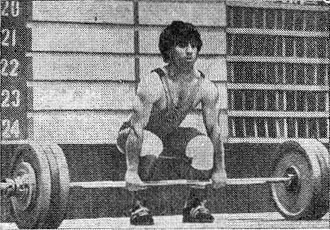
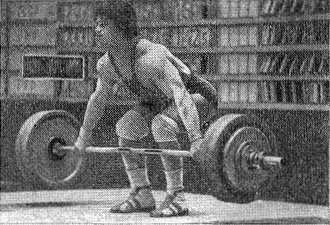
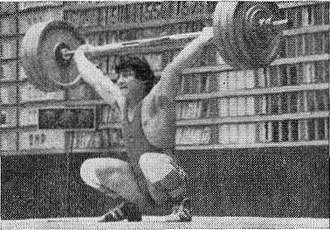
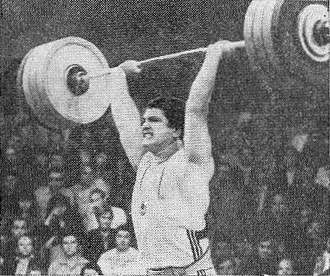
- Reliability of technique: candidates arrive with stable but faulty technique that the team corrects with video and biomechanical feedback. Every local coach should use at least a chalk-tipped pointer tracing the bar path on a screen ruled in centimetres.
- Light classes (52–67.5 kg) are under-supplied because of weak local work in clubs and schools (DYuSSh, SDYuShOR, ShVSM).
- Success at the 1984 Olympics requires coordinated work at every level, from grassroots sections to the Olympic training centres.